
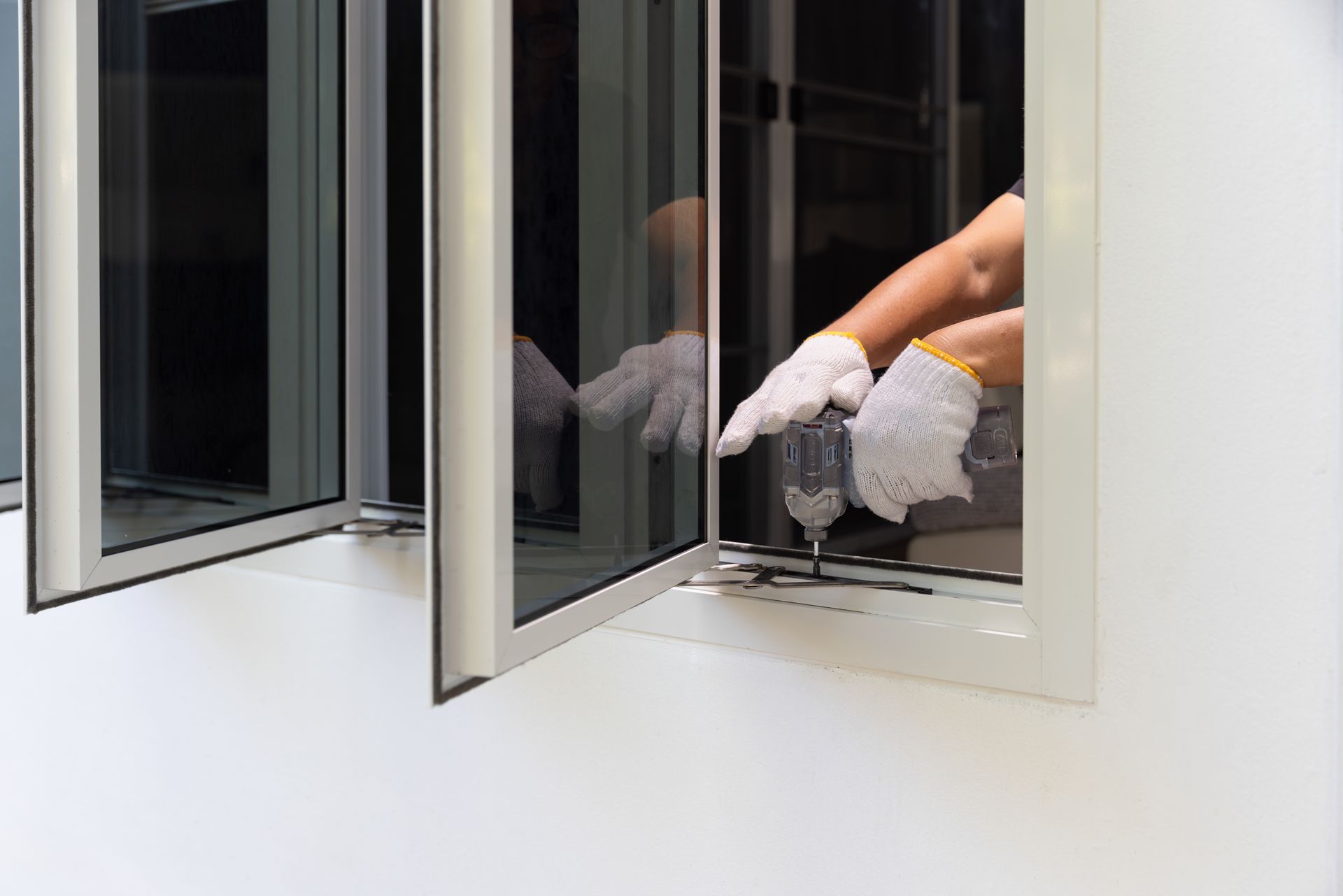
Windows Sealed for Iowa Temperature Swings
Window installation and repair in Fredericksburg for homes experiencing ice buildup at frames, air infiltration, and energy loss
Iowa's freeze-thaw cycles and winter snow load create specific sealing challenges at window frames where roof-wall junctions concentrate ice dam meltwater during spring temperature swings from below zero to above freezing within forty-eight hours. Fredericksburg homeowners need window installation and repair when condensation forms between glass panes, when ice buildup appears along interior sills during cold snaps, or when heating costs climb because air infiltration around frames allows conditioned air to escape. True Quality Construction installs and repairs windows for homes throughout Fayette County, matching frame selection and installation methods to the climate exposure and architectural requirements that affect long-term performance in this region.
Window selection accounts for home style and climate exposure by evaluating which frame materials—vinyl, wood, fiberglass, or clad—handle expansion and contraction during temperature swings without compromising seal integrity. Installation includes proper sealing at roof-wall junctions where ice dam meltwater concentrates, and energy efficiency considerations address Iowa's heating and cooling demands that create interior-exterior temperature differentials exceeding eighty degrees during winter and summer extremes.
Schedule a property evaluation to identify air infiltration and water intrusion risks at existing window frames..
What Proper Sealing Prevents at Roof-Wall Zones
The installation process integrates with roofing inspection by identifying ice dam risk at roof-wall junctions where window headers interrupt eave drainage patterns, because improper flashing or inadequate sealing allows spring meltwater to bypass gutters and enter wall cavities around window frames. Frame material selection affects performance during freeze-thaw cycles—vinyl expands and contracts more than fiberglass but costs less, while wood frames require maintenance but provide superior insulation value when properly sealed and painted.
After installation completes, you notice condensation no longer forms between glass panes, interior sills stay dry during winter cold snaps, and heating costs decrease because air infiltration at frame edges stops pulling conditioned air out of living spaces. The energy efficiency improvements become obvious when rooms near replaced windows maintain more consistent temperatures and your furnace cycles less frequently during extended cold periods common in Fredericksburg winters.
The work addresses water intrusion prevention during spring snowmelt by sealing the vulnerable transition zone where window frames interrupt roof drainage paths, and proper installation includes flashing integration that directs meltwater away from frame edges toward gutters. Energy efficiency evaluations consider glass coatings that reduce summer heat gain without blocking winter passive solar warmth, and frame depth affects how much insulation fits in the rough opening around the window unit.
What Property Owners Usually Ask
Homeowners preparing for window replacement or repair in the Fredericksburg area want to understand frame material trade-offs, energy performance factors, and how local weather patterns affect installation requirements.
How do freeze-thaw cycles affect window frame performance?
Temperature swings cause frame materials to expand when warm and contract when cold, and repeated cycling over fifteen to twenty winters eventually compromises seal integrity around glass panes—vinyl and fiberglass frames handle this movement better than wood but provide different aesthetic and insulation characteristics that affect both appearance and energy cost.
What makes roof-wall junction sealing critical during installation?
Ice dam meltwater concentrates at eave edges where window headers interrupt drainage flow, and inadequate flashing or gaps in sealing allow water to enter wall cavities around frames during spring thaw cycles common in Fayette County—proper installation prevents this intrusion by integrating window flashing with roofing underlayment and siding moisture barriers.
When should I replace windows rather than repair existing units?
Replacement becomes necessary when condensation forms between glass panes indicating seal failure, when frame rot compromises structural integrity, or when single-pane units lack the insulation value needed to control heating costs in Fredericksburg's climate where winter temperatures regularly drop below zero for extended periods.
Why does energy efficiency matter beyond just heating cost savings?
Proper window insulation reduces interior surface condensation that leads to mold growth, prevents ice buildup on interior sills during cold snaps, and maintains more uniform room temperatures that improve comfort—benefits that extend beyond the monthly utility bill reduction most homeowners expect.
How does installation integrate with overall building envelope performance?
Window replacement often reveals inadequate wall insulation or air sealing gaps around rough openings, and addressing these deficiencies during installation prevents the thermal bridging and air infiltration that compromise energy efficiency even when new windows meet high insulation standards.
True Quality Construction coordinates window installation with roofing inspection processes to identify and correct ice dam risks at roof-wall junctions where frame sealing prevents water intrusion during spring melt cycles. Request an on-site consultation to evaluate your current windows for air infiltration, moisture intrusion, and energy loss specific to your home's exposure conditions in the greater Fredericksburg region.