
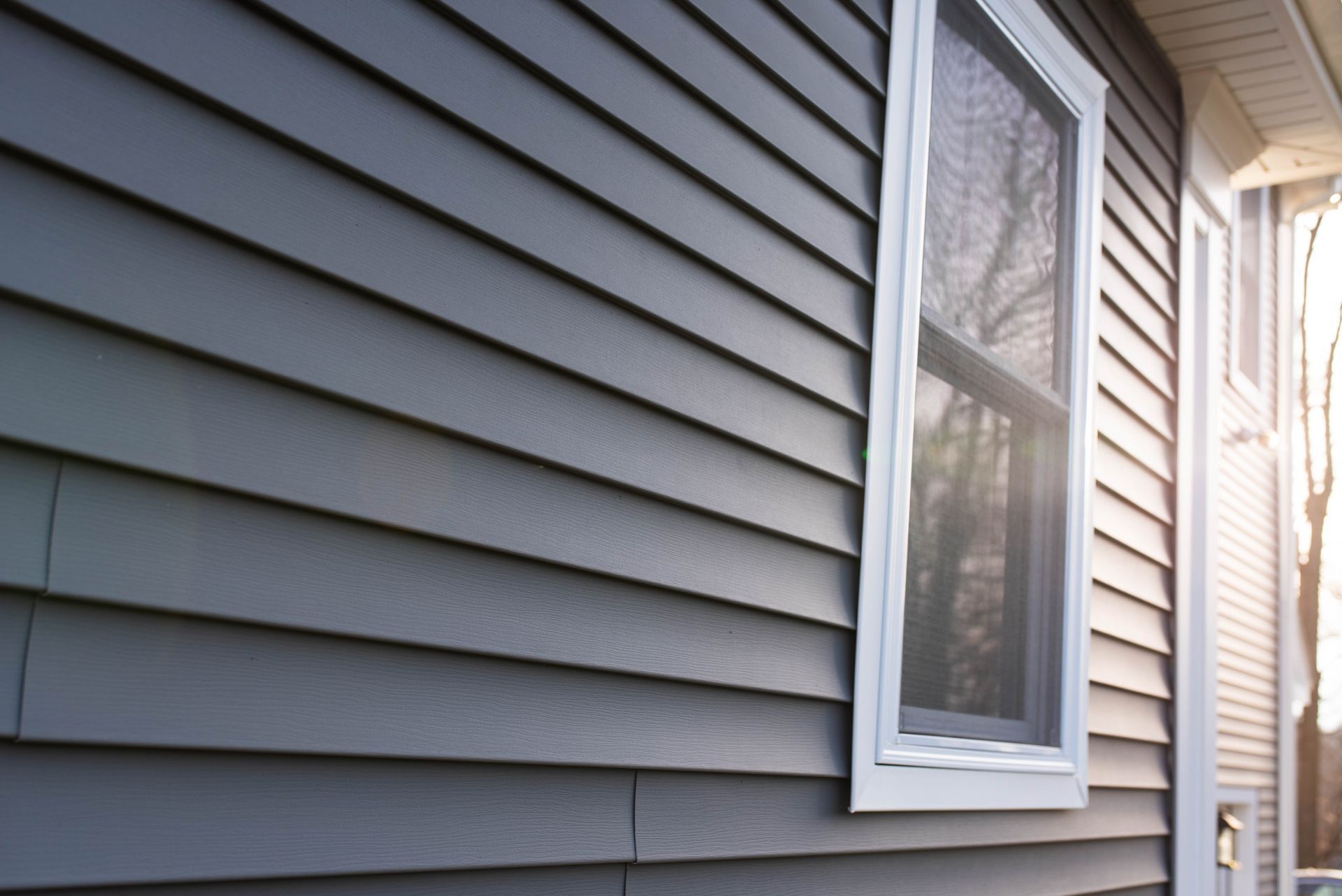
Siding That Prevents Ice Dam Leaks
Siding in Fredericksburg for homes where roof-wall junctions allow meltwater into wall cavities
Fiber cement and metal siding dominate Fayette County residential installations for a reason—both materials handle the snow load and wind-driven moisture that define Iowa winters, and both create the durable weather barrier needed where ice dams redirect meltwater down exterior walls. True Quality Construction installs siding for Fredericksburg homes, matching material selection to existing housing stock and regional durability requirements. The work coordinates with roof inspection findings because ice dam problems almost always reveal compromised flashing at roof-wall transitions where water enters the wall cavity behind failing siding.
Siding installation includes a weather barrier layer behind the finish material, creating a drainage plane that sheds water even when wind drives moisture through siding joints or ice dams force meltwater under shingle edges at roof-wall junctions. Flashing at those junctions receives particular attention—proper installation directs water over the siding surface rather than allowing it to migrate behind panels into wall framing. Material choice between fiber cement, metal, and vinyl depends on home style, but climate durability remains the primary selection factor for properties throughout the greater Fredericksburg region and surrounding rural communities.
Request a detailed estimate based on current siding condition and roof-wall junction assessment findings..
What Proper Siding Installation Requires
Siding work in Fredericksburg starts with roof-wall junction evaluation because that transition point determines whether your home develops interior water damage during ice dam events or sheds meltwater safely away from wall cavities. Installation involves removing existing siding to inspect sheathing for water intrusion evidence, installing weather barrier with proper overlap sequencing so each layer sheds water to the layer below, and flashing every penetration and transition point before finish material goes up.
You'll notice after completion that wall interiors stay dry during spring melt, attic insulation no longer shows moisture staining near roof edges, and heating efficiency improves as the weather barrier stops wind infiltration through wall cavities. The weather barrier layer behind your siding creates a secondary defense line that catches water even when finish materials develop small cracks or joint gaps over time, directing moisture down and out rather than into framing.
Siding projects include assessment of soffit and fascia condition since those components form part of the continuous weather barrier around your home's upper perimeter. Homes with ice dam history typically require flashing upgrades at roof-wall junctions regardless of siding material selected, addressing the root cause of water intrusion rather than simply covering damaged surfaces with new panels.
Common Siding Installation Questions
Property owners often ask about material selection and installation methods, particularly when previous siding has failed to prevent water intrusion during Iowa's demanding freeze-thaw seasons.
What siding material handles Iowa snow load and ice dam conditions best?
Fiber cement siding resists moisture absorption and maintains structural integrity through repeated freeze-thaw cycles, while metal siding sheds snow and ice buildup more effectively than vinyl options that can crack under impact when temperatures drop below zero.
How does flashing at roof-wall junctions prevent ice dam water intrusion?
Proper flashing installation creates a shingle-over-metal-over-barrier sequence that directs meltwater away from the wall cavity even when ice dams force water under the lowest shingle course, preventing the migration pathway into wall framing that causes interior damage.
When should siding replacement happen for homes with ice dam problems?
Siding work coordinates with roof assessment findings since ice dam damage typically compromises both systems—addressing siding alone without fixing roof-wall flashing leaves the water intrusion pathway open during the next spring melt season in Fredericksburg.
What's included in the weather barrier installation behind siding?
Weather barrier installation includes overlapped seams that shed water downward, taped penetrations at every outlet and fixture, and continuous coverage from foundation to roof edge that integrates with existing roof underlayment and flashing systems.
How much does siding material choice affect long-term durability in Fayette County?
Material selection determines whether your siding maintains appearance and performance for twenty years or requires replacement within ten—fiber cement and metal options outlast vinyl in Iowa climate conditions, particularly on north-facing walls and areas with concentrated snow load from roof valleys.
True Quality Construction installs siding matched to Iowa weather demands and coordinates all work with roof inspection to address ice dam water intrusion at its source. Call (563) 578-7261 to schedule a property evaluation and review roof-wall junction condition alongside siding assessment.