Replace Before Structure Damage Occurs
Roof replacement in Fredericksburg for homes with aging shingles, structural deflection, and repeated leak history
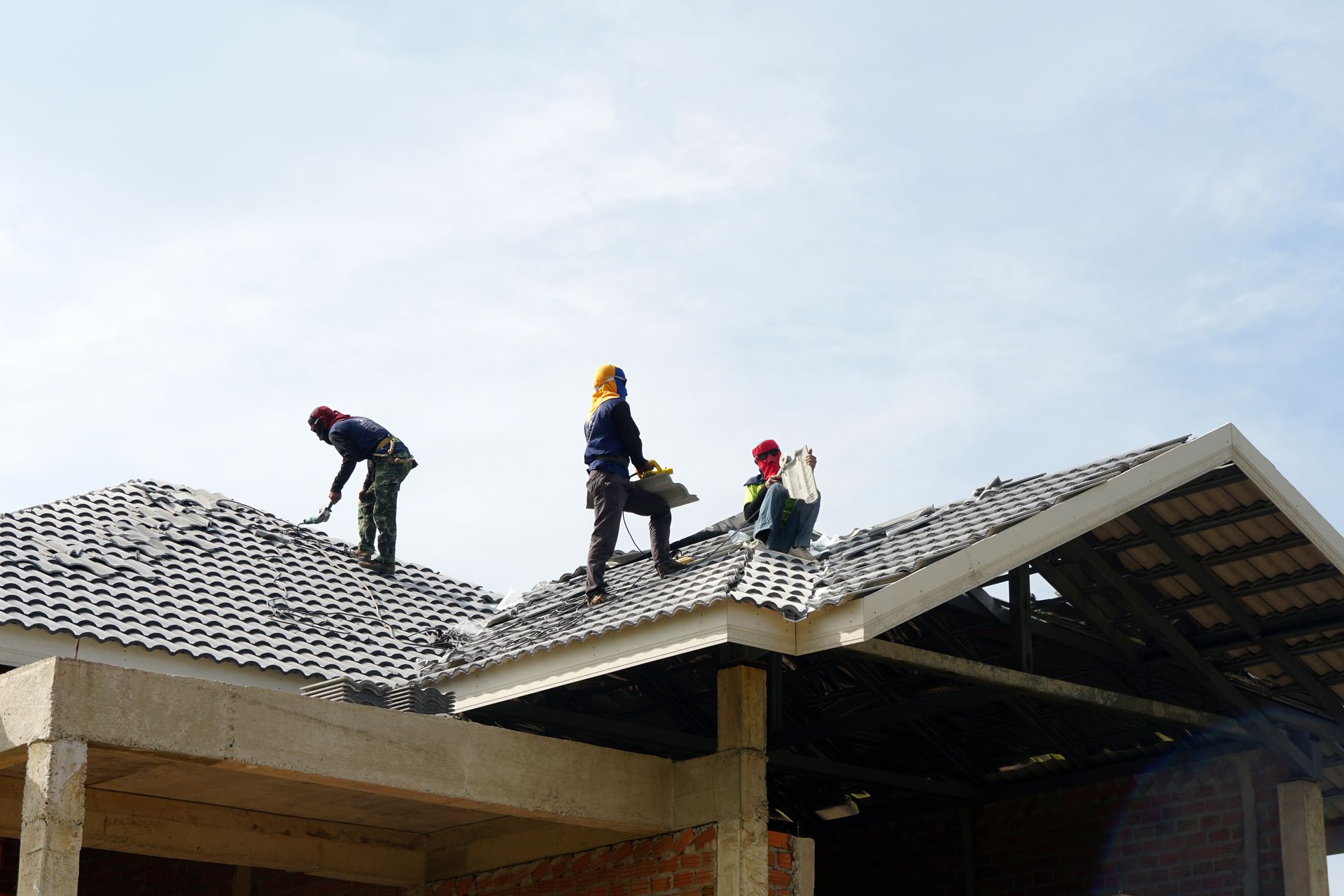
Roof replacement becomes necessary when shingles lose granule protection and turn brittle, when the roof deck deflects visibly under snow load, or when repair costs approach half the value of a complete system installation. The decision to replace rather than patch matters for Fredericksburg homeowners because the regional housing stock—much of it built between 1960 and 1990—typically uses shingle products that last twenty to twenty-five years in Iowa's freeze-thaw environment, and most of those roofs now operate past their design life. True Quality Construction replaces aging roofs with material options like architectural shingles, standing seam metal, or modified bitumen membranes matched to your home's structural capacity and architectural style.
The replacement process includes attic assessment for ventilation adequacy and structural load capacity before material selection occurs, because inadequate rafter spacing or compromised decking affects which roofing systems you can safely install. Shingle durability compares to metal longevity differently in freeze-thaw cycles—metal roofing sheds snow and ice more effectively but costs more upfront, while quality architectural shingles provide reliable twenty-five to thirty-year performance at lower initial investment when proper ventilation controls attic temperature swings.
Request a detailed estimate that separates attic ventilation upgrades from roofing material costs.
What Changes After Full Replacement
The inspection evaluates structural load capacity by checking rafter spacing, decking thickness, and existing deflection patterns, because rural Fayette County properties sometimes feature undersized framing that requires reinforcement before heavier roofing materials go on. Labor warranty coverage protects against installation errors like improper flashing integration or inadequate underlayment overlap, while material warranties cover manufacturing defects in the shingles or metal panels themselves—understanding this separation helps you compare contractor proposals accurately.
After replacement completes, your home gains visible curb appeal from uniform color and texture across the entire roof plane, and you stop seeing recurring ceiling stains or attic moisture that indicated the old system had failed. Heating costs often decrease because improved attic ventilation reduces the temperature differential that forces your furnace to run longer during Fredericksburg winters, and insurance premiums may drop if you installed impact-resistant materials that qualify for hail damage discounts.
The work includes complete removal and disposal of old roofing materials, deck inspection and repair where rot or water damage compromised structural integrity, and coordination of delivery logistics for properties with restricted access. Material comparison presentations explain how standing seam metal expands and contracts with temperature changes, why synthetic underlayment outperforms felt paper in moisture resistance, and what ice-and-water shield placement prevents at vulnerable eave and valley zones.
Common Questions About This Service
Homeowners considering roof replacement in the greater Fredericksburg region want clarity on material trade-offs, structural requirements, and how climate conditions affect system performance over time.
How do I know when repair no longer makes financial sense?
When granule loss exposes the asphalt mat on more than thirty percent of your roof, when multiple leak zones require separate repairs, or when structural sagging indicates deck failure, replacement costs typically deliver better long-term value than repeated patch work that only extends a failing system by two to three years.
What makes attic evaluation critical before material selection?
Insufficient ventilation creates heat buildup that accelerates shingle aging and forms ice dams, and undersized rafter spans limit which roofing materials meet structural load requirements—both factors affect which products will perform reliably in Fredericksburg's snow and freeze-thaw conditions.
Why does the difference between labor and material warranties matter?
Manufacturer coverage lasts twenty-five to fifty years but only protects against shingle defects, while workmanship guarantees cover installation errors that cause leaks or premature failure—comparing both warranty types across contractor bids reveals who accepts long-term responsibility for system performance.
When is metal roofing the better choice over shingles?
Metal delivers forty to sixty-year service life and sheds snow more effectively, making it suitable for low-slope sections prone to ice dam formation, but the higher initial cost and specialized installation requirements mean architectural shingles often provide better value on steeper-pitch roofs with adequate ventilation already in place.
What happens if the roof deck needs structural repair during replacement?
Old roof removal sometimes reveals water-damaged decking, undersized sheathing, or rafter deflection that requires plywood replacement or structural reinforcement before new roofing goes on—addressing these issues during replacement prevents future sagging and ensures the new system reaches its full design life.
True Quality Construction provides upfront material warranty specifics and attic evaluation results so you understand exactly what manufacturer coverage versus labor coverage protects over the next twenty-five years. Schedule an inspection to assess your roof's structural condition and ventilation adequacy before comparing replacement options.