Roofs Built for Decades of Iowa Weather
Roof installation in Fredericksburg for homes facing ice dam risk, hail damage, and heavy snow load
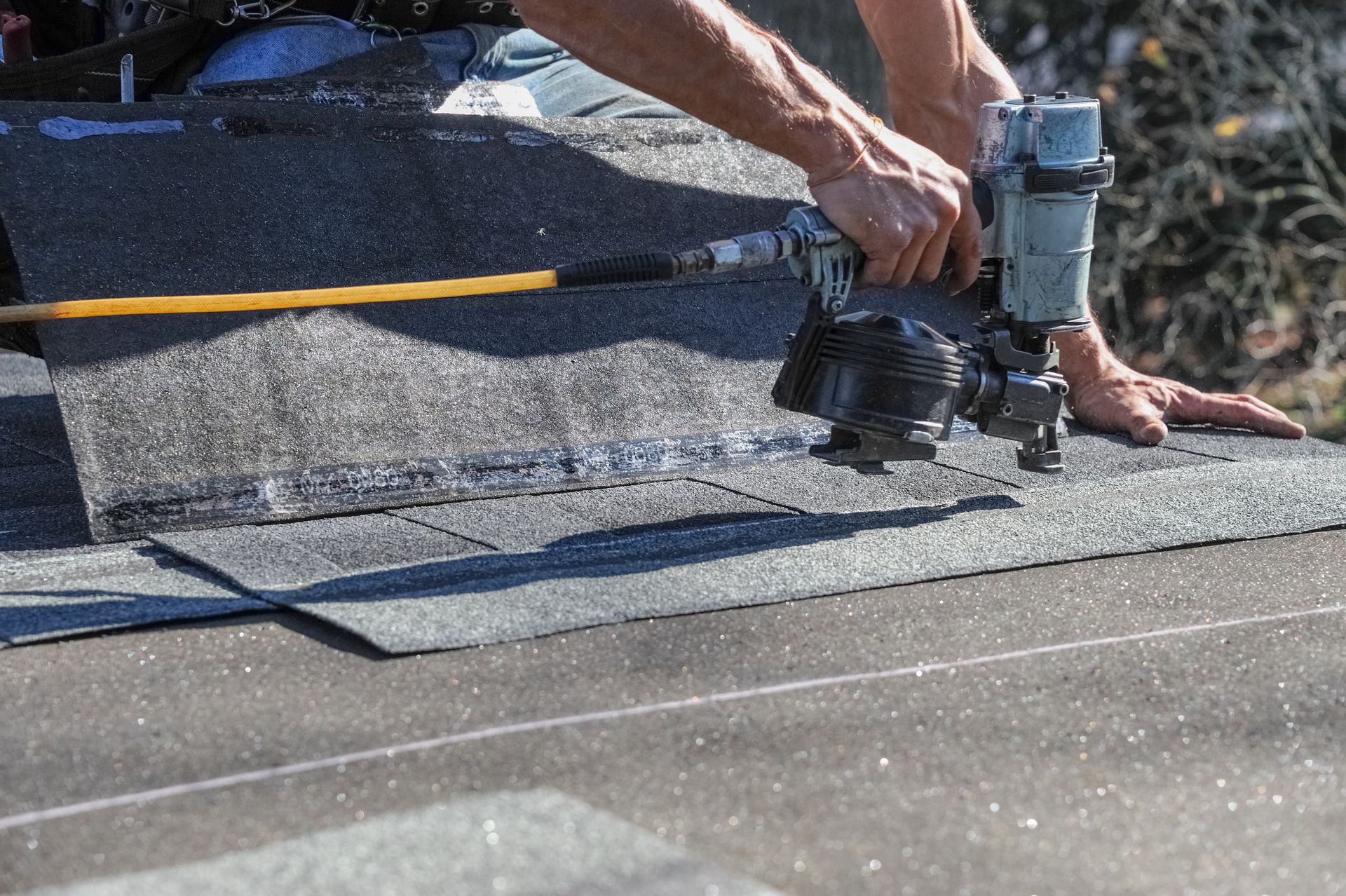
True Quality Construction installs new roofs using GAF and Owens Corning materials specifically rated for Iowa's freeze-thaw cycles, hail impact, and winter snow load. This service matters for homeowners in Fredericksburg who need roofing systems designed to handle the region's ice dam conditions and rapid spring temperature swings. The material selection and attic ventilation assessment during installation directly affect whether your roof survives twenty winters or fails after ten.
The installation process begins with matching roofing material—shingle, metal, or flat membrane—to your home's architectural style and specific climate exposure, then includes a full attic ventilation inspection to identify ice dam formation risks before the first shingle goes down. Iowa's winter weather demands freeze-thaw rated shingles because standard materials crack under repeated expansion and contraction cycles that occur when temperatures swing from fifteen below zero to forty-five degrees within seventy-two hours.
Schedule a property evaluation to assess your attic ventilation and current roof condition before winter..
What Proper Installation Prevents Long-Term
The work includes detailed inspection of attic ventilation systems because inadequate airflow creates the temperature differential that forms ice dams along eaves during Fredericksburg winters. Before installation begins, you receive a complete labor and material warranty breakdown that separates manufacturer coverage—typically twenty-five to fifty years for shingle defects—from workmanship guarantees that cover installation errors like improper flashing or inadequate underlayment.
After installation completes, your home gains visible protection against water intrusion during spring snowmelt, and you no longer see interior ceiling stains or attic moisture buildup that signal roof failure. The ventilation corrections made during installation mean attic temperatures stay closer to outdoor temperatures in winter, which prevents the warm spots that melt snow on the roof deck and create ice at the eaves.
The installation includes complete removal and disposal of old roofing materials, structural deck inspection for rot or damage that compromises load-bearing capacity under heavy snow, and coordination of material delivery to rural properties where access restrictions affect timing. Metal roofing options provide longer service life in freeze-thaw environments but require different fastening systems and expansion accommodation compared to asphalt shingles.
What Property Owners Usually Ask
Homeowners preparing for roof replacement in Fredericksburg typically want to understand material performance, installation processes, and how local climate conditions affect their decisions.
What makes GAF and Owens Corning materials suitable for Iowa winters?
These manufacturers produce shingles with modified asphalt formulations that remain flexible during freeze-thaw cycles, and their impact-resistant lines meet Class 4 hail ratings required for insurance discounts in areas with frequent severe weather like Fayette County.
How does attic ventilation assessment prevent future problems?
Insufficient ridge venting or soffit intake creates warm attic zones that melt roof snow unevenly, and the resulting water refreezes at eaves where temperatures stay below thirty-two degrees, forming ice dams that force meltwater under shingles and into wall cavities.
When should I replace rather than repair an aging roof?
Replacement becomes necessary when more than thirty percent of shingles show granule loss, curling, or brittleness, or when the roof deck exhibits structural deflection under snow load—conditions common in Fredericksburg homes with roofs older than twenty years.
What does the installation timeline look like for a typical home?
Most residential installations in the Fredericksburg area require two to four days depending on roof complexity, weather conditions, and whether structural deck repairs are needed once old materials come off.
Why does warranty structure matter when comparing estimates?
Manufacturer warranties cover material defects but not installation errors, while workmanship guarantees protect against improper flashing, underlayment gaps, or ventilation mistakes that cause premature failure—understanding which company stands behind which aspects of the system helps you evaluate long-term protection.
True Quality Construction provides detailed material comparisons and attic assessments before installation begins, ensuring you understand how shingle durability compares to metal longevity in the freeze-thaw conditions typical of rural Fayette County properties. Request an on-site consultation to review your roof's structural capacity and ventilation requirements.